The Shape of Fermentation
How wine bottles influence flavor, aging, and microbial dynamics
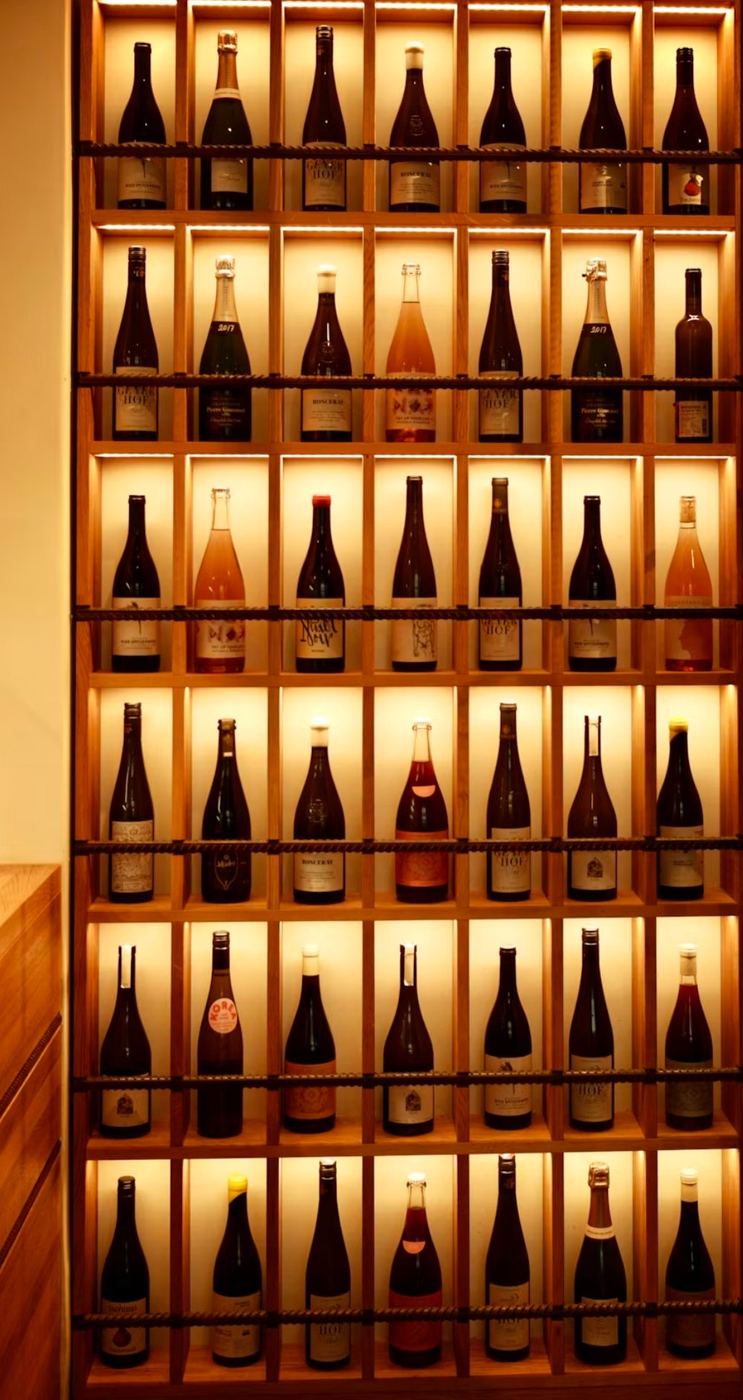
How wine bottles influence flavor, aging, and microbial dynamics
When we talk about winemaking, we often emphasize terroir, grape variety, and fermentation style. Yet one of the most overlooked variables in the entire lifecycle of wine, from cellar to consumption, is its vessel. And not just the barrels or tanks used during production, but the bottle itself.
Wine bottles aren’t just aesthetic signatures or nods to regional tradition. Their shape, glass composition, and internal geometry influence aging dynamics, microbial stability, and even the sensory perception of wine. More than just design, this is fermentation science in glass.
Each bottle shape for wines emerged from a practical challenge: sediment control, pressure resistance, packing density, or fermentation byproducts. But with today’s understanding of microbiology, oxygen permeability, and kinetic diffusion, these forms also offer subtle but powerful tools to guide fermentation outcomes post-bottling.
Let’s unpack four classic shapes, namely Burgundy, Bordeaux, Champagne, and Alsace, and explore their biochemical implications.
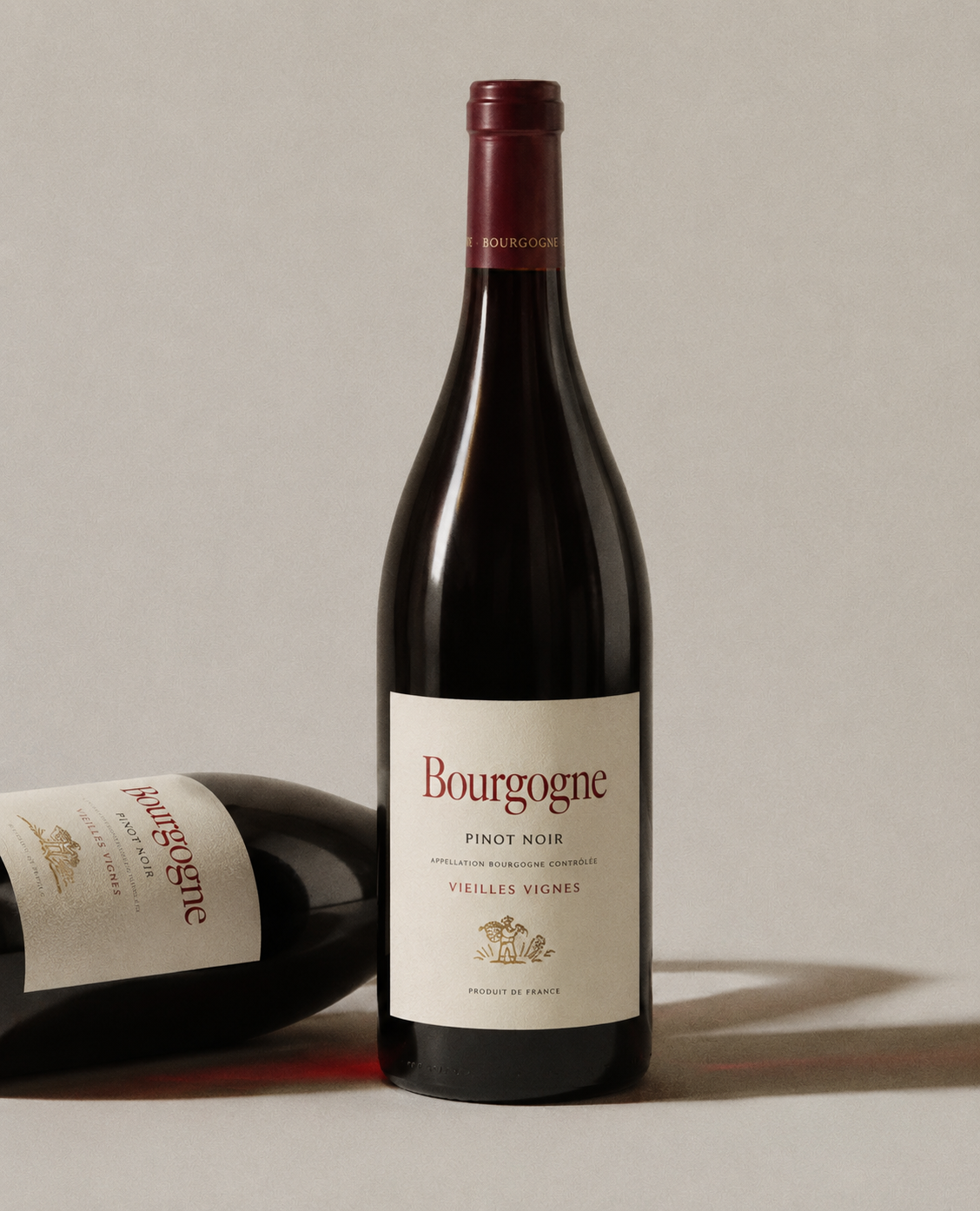
With their wide base and gently sloping shoulders, Burgundy bottles minimize turbulence during pouring and rack storage. This preserves fine lees or tartrate crystals, helping wines like Pinot Noir and Chardonnay evolve gently over time.
From a microbiological lens, this low-disturbance environment can favor certain lactic acid bacteria post-fermentation, supporting malolactic fermentation even after bottling in minimally filtered wines. In natural winemaking, this shape might indirectly influence microbial succession during bottle aging. The result is a slower oxygen ingress when opened, which favors the preservation of reductive wines.
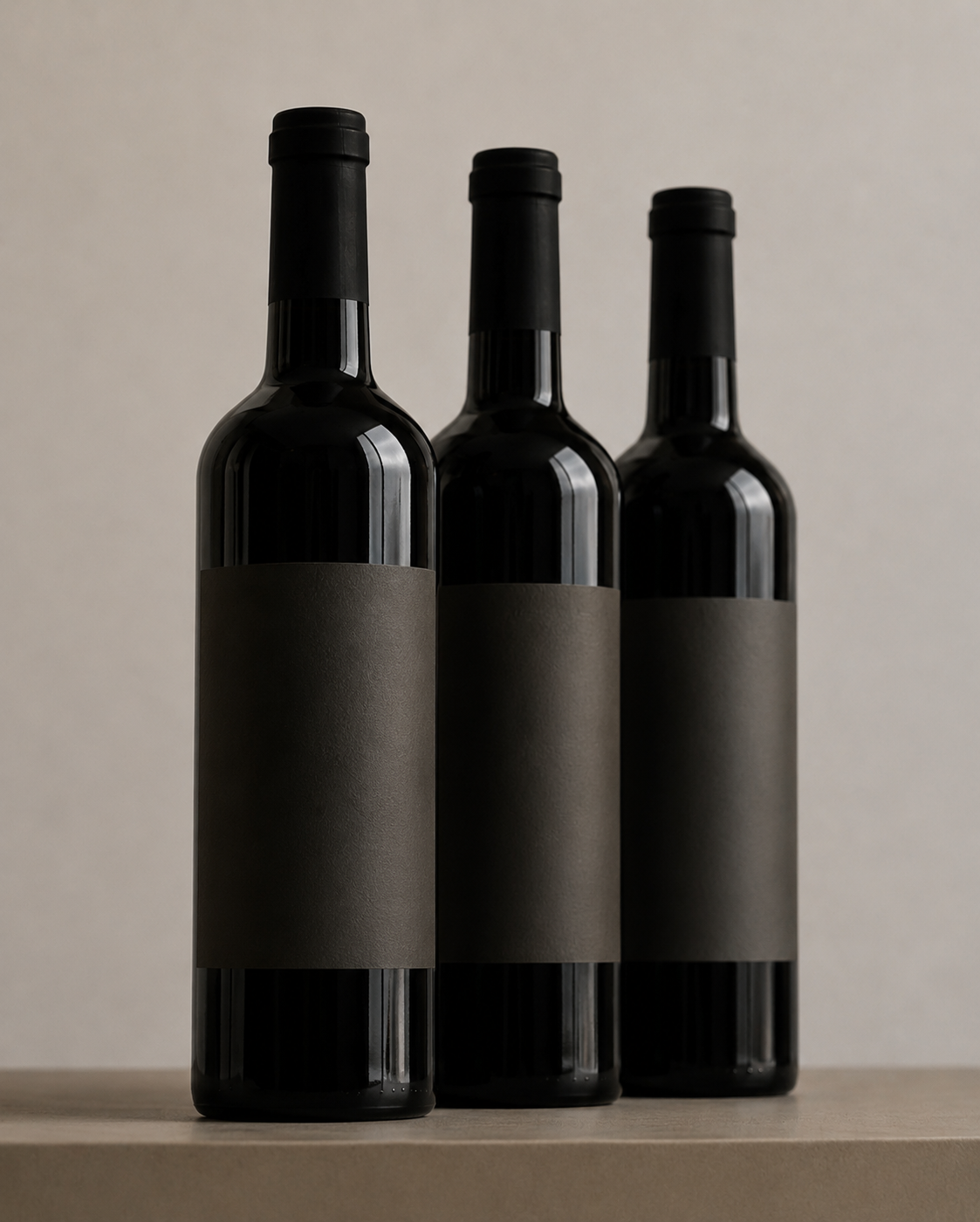
Designed for bold reds like Cabernet Sauvignon, Bordeaux bottles have a clear mission: sediment control. The pronounced shoulders trap tartrates and dead yeast cells, reducing their flow into your glass. But there’s more at play.
The tall, straight profile allows a thinner wine column, changing the surface area-to-volume ratio during bottle fermentation or continued autolysis. In aging wines, this geometry can influence the rate of polymerization of tannins and anthocyanins, impacting both mouthfeel and color stability. The greater internal surface area near the shoulder may also enhance microoxygenation in natural cork-sealed bottles, gradually softening tannins over time.
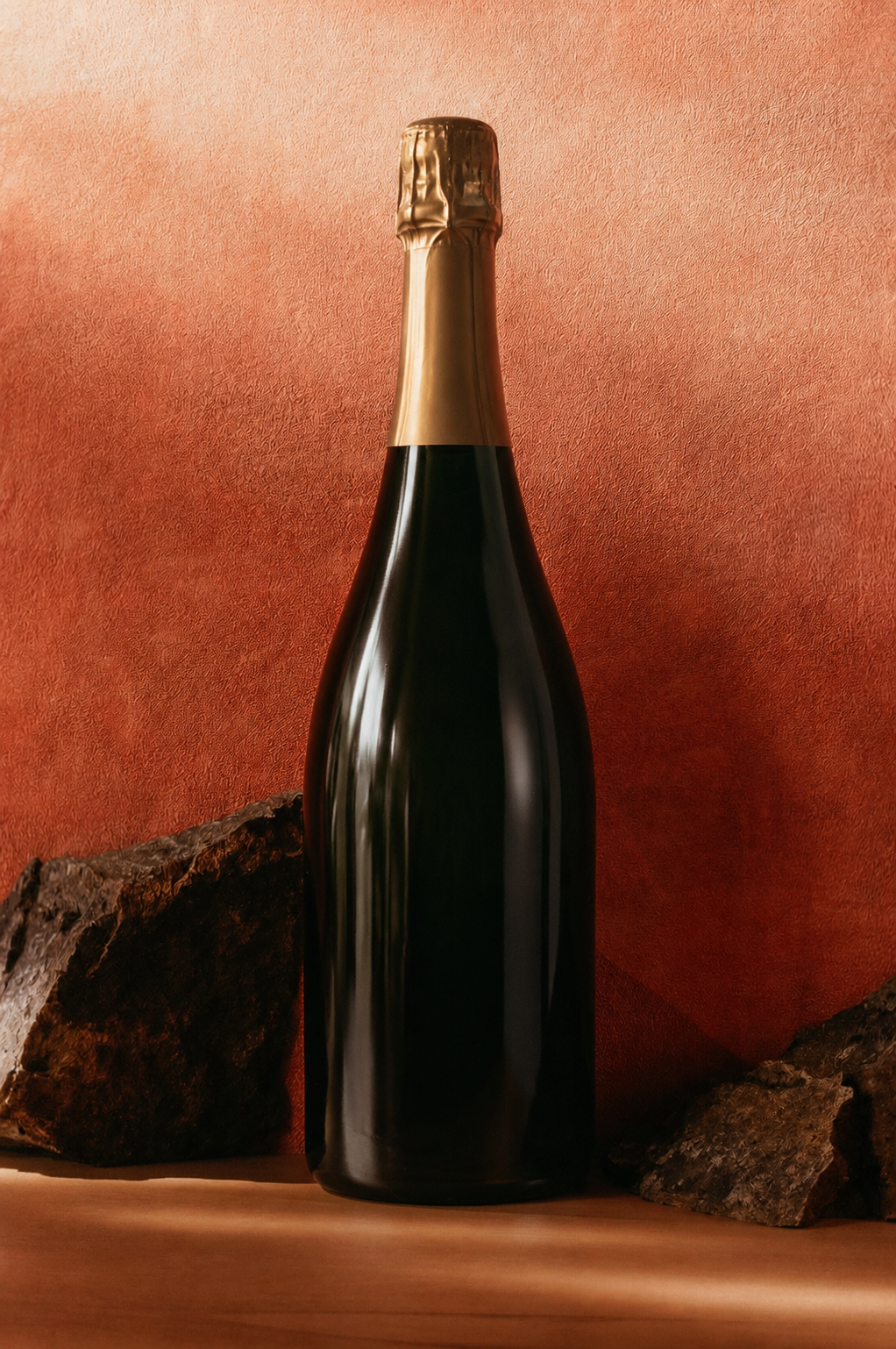
Champagne bottles are feats of microbial engineering. Built to withstand over six atmospheres of pressure, their thick glass and deep punt prevent explosions during secondary fermentation.
The shape also plays a role in CO₂ retention and nucleation. The deep punt aids in sediment accumulation during riddling, while the bottle’s curve minimizes stress concentrations. Some studies suggest the bottle’s thermal mass and surface curvature may even affect yeast viability during aging on lees. The pressure-retaining geometry allows in-bottle fermentation to proceed under controlled stress, subtly modifying yeast ester production and the evolution of flavor.
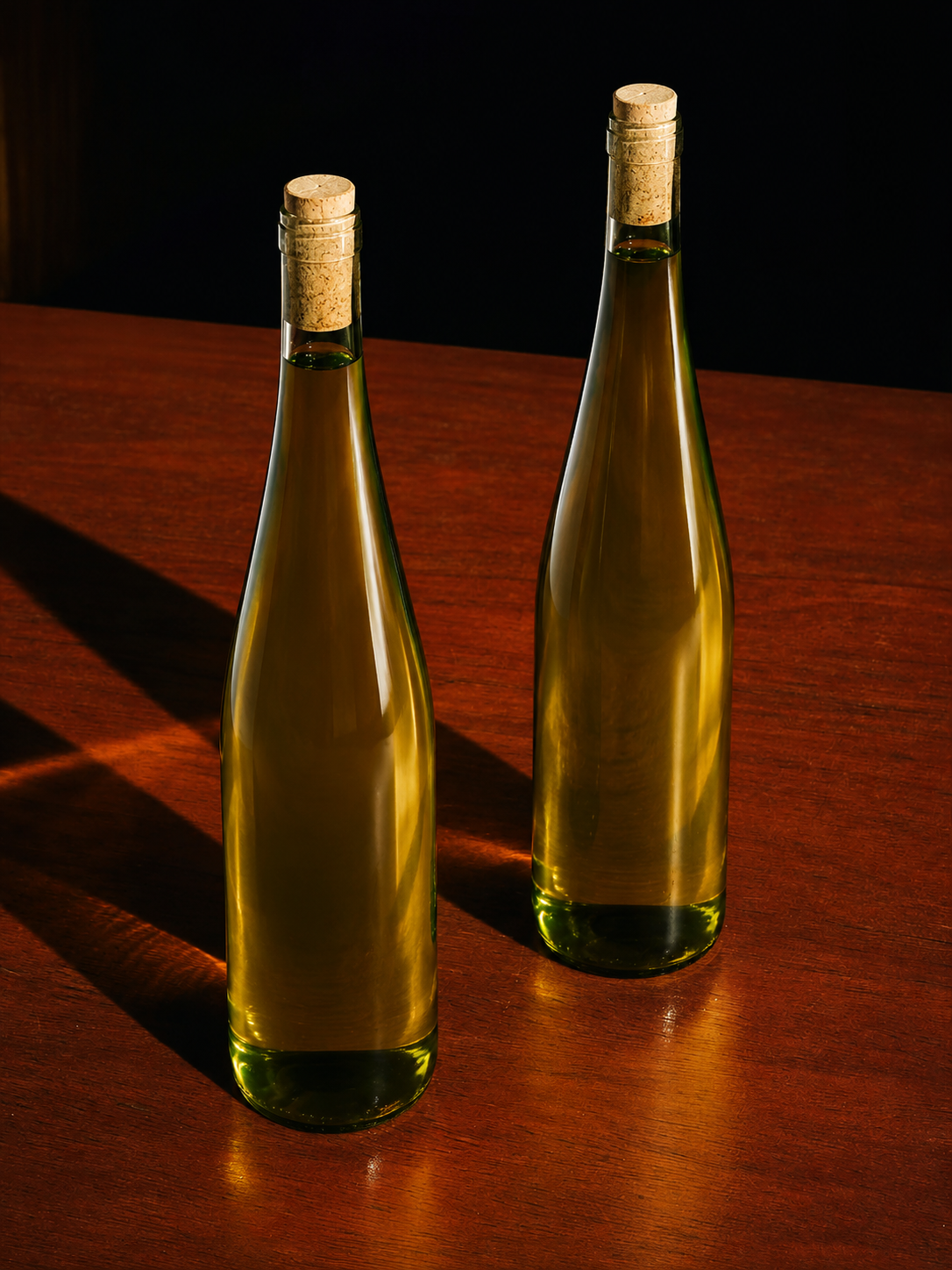
These flute-like bottles aren’t just elegant. They’re functionally optimized for aromatic whites. The narrow neck reduces headspace, limiting oxygen exposure and preserving delicate volatile compounds like monoterpenes, including linalool in Riesling.
These wines often undergo cold fermentation and bottling with minimal aging. The slender shape minimizes temperature gradients and helps maintain thermodynamic stability in commercial cold chains. The lower oxygen ingress combined with the narrow surface area prolongs aromatic freshness and reduces oxidative stress on phenolics.
What if the next era of winemaking sees bottle shapes co-designed with yeast and bacteria? Imagine selecting bottle geometry based on fermentation trajectory or bottle-conditioned microbial compositions.
With AI and fluid dynamics simulations, we might one day choose bottle types to extend probiotic viability, accelerate autolysis, or even promote specific ester profiles post-bottling. Future glassware could have smart surfaces that subtly buffer pH or emit microcurrents to maintain redox balance during transport.
And in space winemaking? Bottle geometry might be designed for zero-G sedimentation, ensuring stable lees contact despite orbital rotation.
Beats in the Barrel
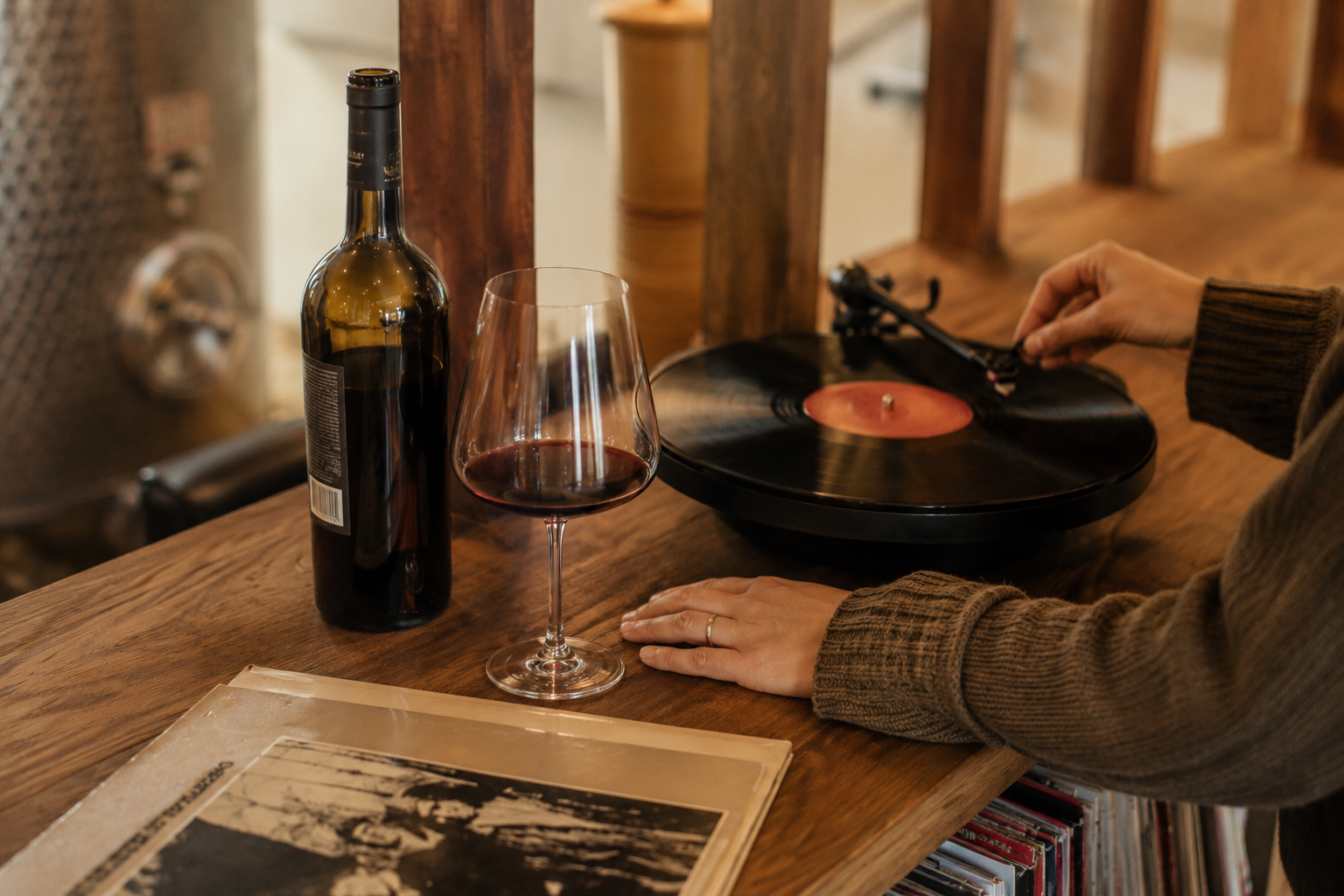
Across kitchens, labs, vineyards, and bakeries, a curious question has been echoing through stainless steel vats and oak barrels: Can sound change fermentation?
Gut Feelings
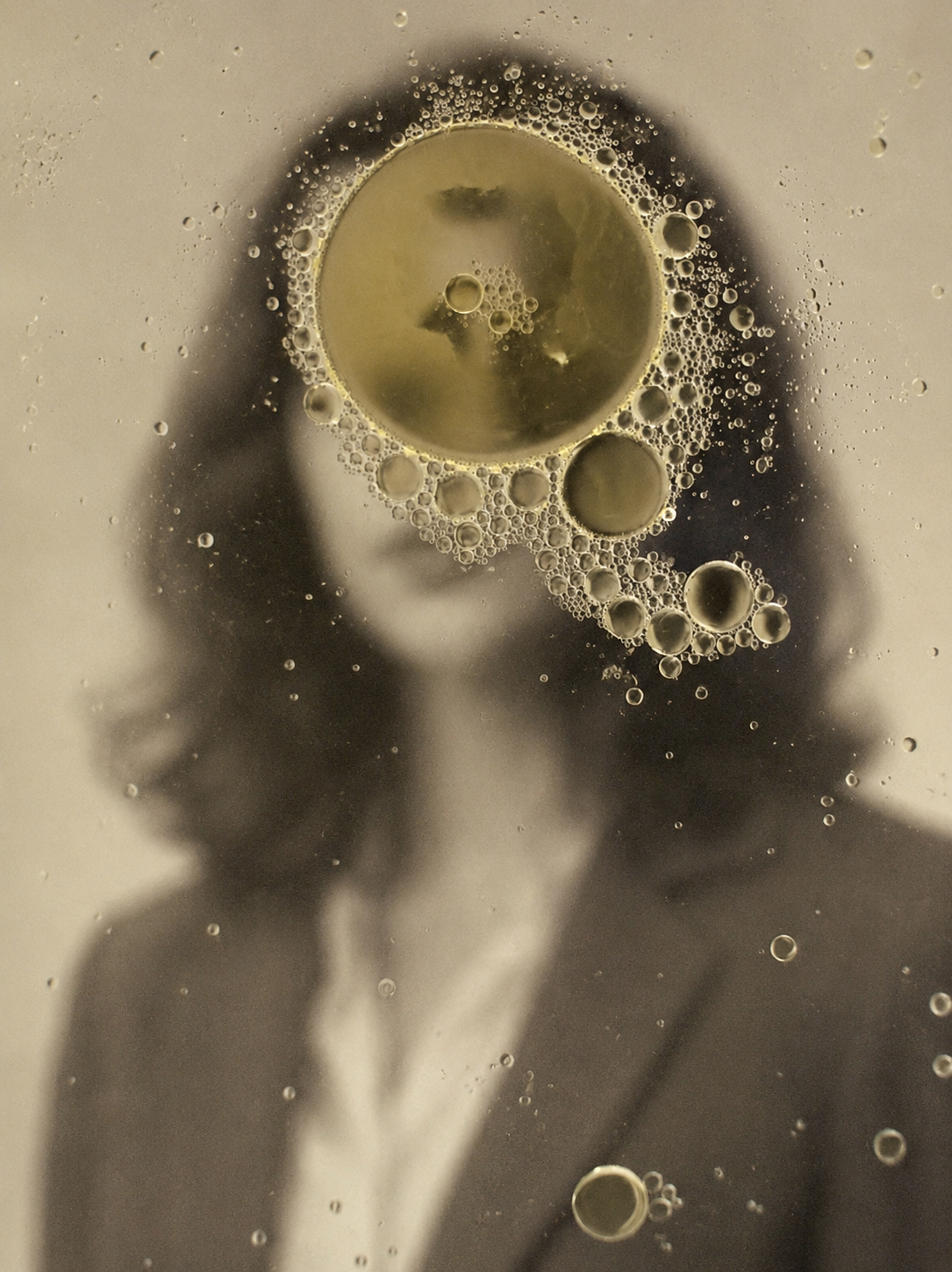
Over ninety percent of the body's serotonin is made in the gut, not the brain. A growing science of the gut-brain axis suggests fermented foods and the microbes inside them may be quietly shaping mood, memory, and mental health.
Microbial Detectives
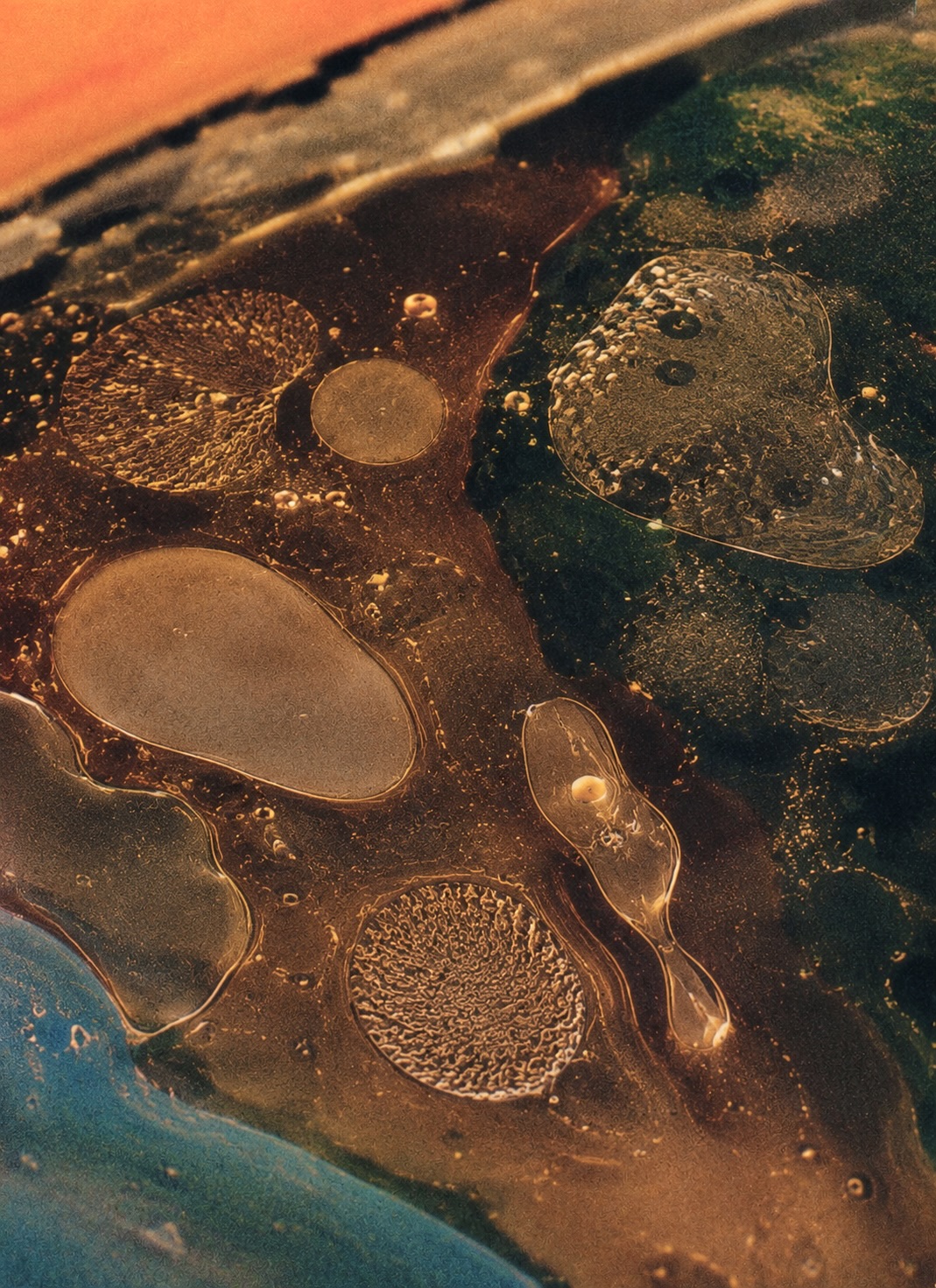
Mushrooms, microbiomes, and the slow biochemistry of fermentation are quietly transforming forensic science, offering a way to read the dead through what lives on after.
© 2026 The Fermentalist.
For questions, feedback, or correspondence: hello@thefermentalist.co