The AI-Driven Revolution in Winemaking
How machine learning is reshaping harvest, fermentation, and the soul of a vintage
How machine learning is reshaping harvest, fermentation, and the soul of a vintage
For millennia, winemaking has been an art form guided by intuition, experience, and a touch of mystery. Fermentation, the soul of the process, has traditionally relied on a winemaker’s expertise to manage temperature, yeast selection, and nutrient balance. The best winemakers describe their work as a kind of listening, paying attention to what the must and the microbes are doing, intervening only where intuition and decades of muscle memory tell them to.
But what if artificial intelligence could decode the microbial symphony of fermentation more precisely than any human? What happens when algorithms learn to listen too, and to listen at scales no human ever could?
AI is already making its way into viticulture, from vineyard monitoring to predictive analytics for grape quality. Drones map vines, satellites track ripeness, machine learning models forecast harvest dates. The cellar, where grape juice becomes wine, has remained a more guarded territory. Its boundaries are now beginning to shift.
When discussions turn to AI in winemaking, most attention falls on the vineyard. The cellar is harder ground. Fermentation is biological, microbial, and stubbornly variable. But inside the winery, AI is poised to do more than monitor. It is beginning to shape fermentation itself.
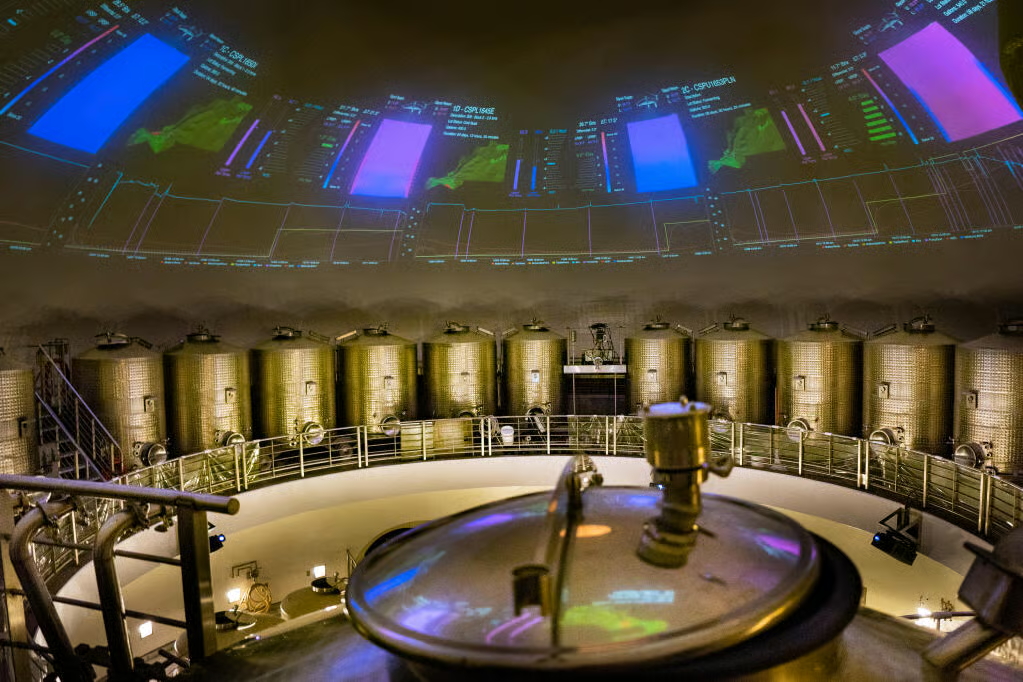
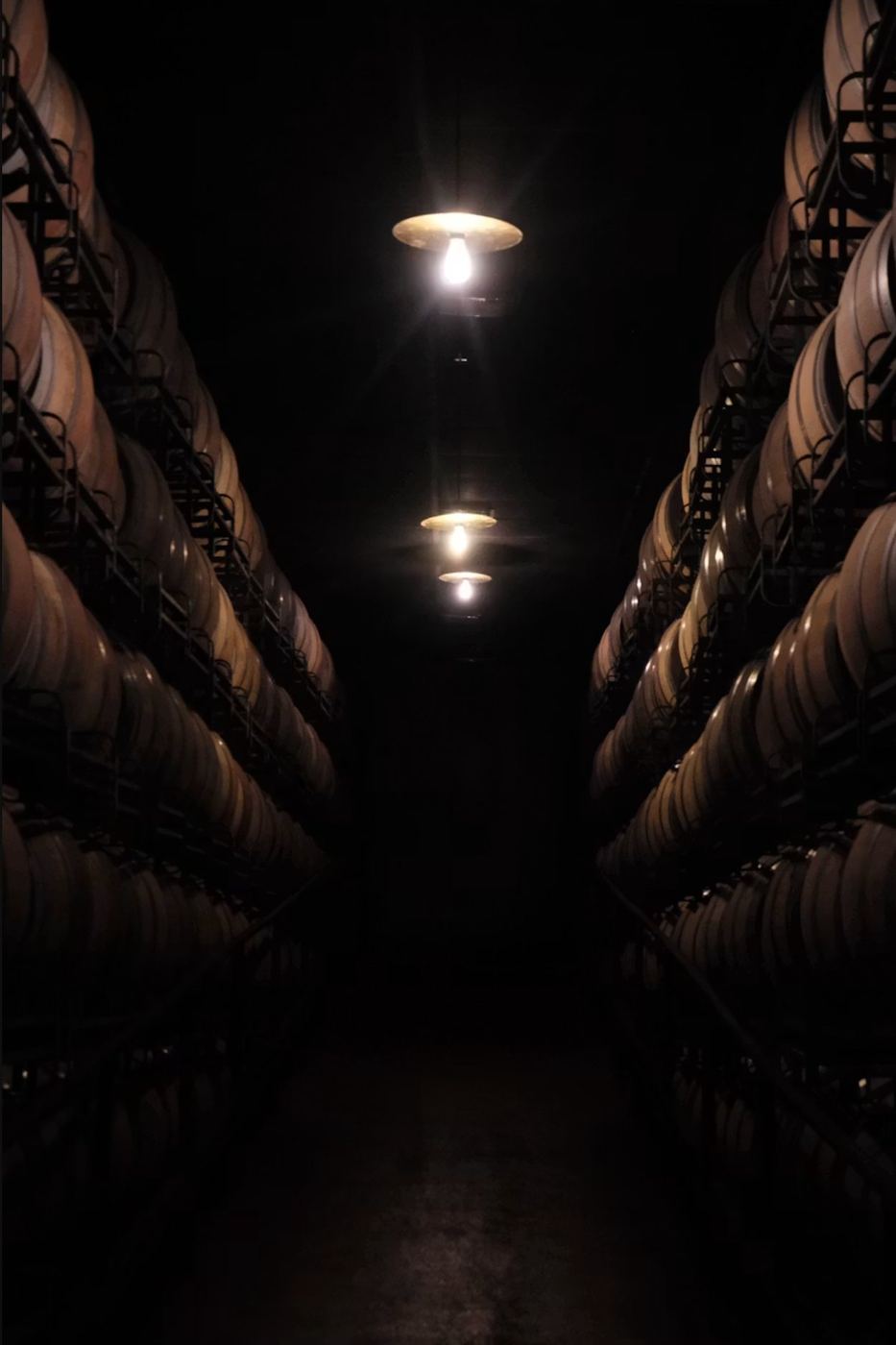
The most direct application is precision modeling. AI systems trained on thousands of fermentation runs can analyze yeast metabolism in real time, predicting when to adjust temperature, oxygen levels, or nutrient inputs to optimize the kinetics of a particular batch. Palmaz Vineyards in Napa has been an early test case for this approach. Their Fermentation Intelligence Logic Control System, known internally as FILCS, monitors temperatures and vibrations inside fermenting tanks, alerts winemakers when something drifts, and makes adjustments without human intervention. The system was developed in part because Palmaz’s underground cellar, carved into seventeen stories of solid rock, made it impractical to monitor each fermentation manually.
Beyond monitoring, machine learning models are beginning to recommend microbial cultures. Yeast strain selection has historically been a matter of regional tradition and house preference. An algorithm trained on enough fermentations can now suggest yeast and bacteria combinations tailored to a specific chemical composition, opening the possibility of wines with flavor profiles no human winemaker would have thought to attempt.
Then there are the sensors. AI-driven networks of probes can detect subtle changes in fermentation dynamics, the early chemical whispers of trouble that human noses and palates would miss. Spoilage caught early is spoilage that can be redirected. Off-flavors caught early can be corrected without the heavy hand of sulfite additions. This is preventative winemaking, made possible by sensors that never sleep.
“AI in the wine industry is still in its infancy,” says Matt Crafton, winemaker at Chateau Montelena. “Yet the potential applications are already proving revolutionary, offering new insights into every aspect of wine production, from the vineyard to the cellar.”
Beyond the tank, AI is also reshaping how a finished wine proves what it claims to be. Researchers in Bordeaux have developed tools that use gas chromatography to build a kind of chemical signature for a wine, a fingerprint specific enough to help authenticate its origin and flag counterfeits. As algorithmic winemaking becomes more common, this kind of verification may matter just as much as the fermentation itself. A wine’s story, after all, is only as trustworthy as its traceability.
Every conversation about AI in winemaking arrives, eventually, at the same question. Is this art or replacement? Augmentation or hollowing-out?
The natural wine movement has built its identity on the opposite premise. That fermentation is improved not by more control but by less. That the most interesting wines come from native yeasts and spontaneous ferments, the kind of unpredictable processes an optimizing algorithm would gently steer away from. From this perspective, AI in the cellar is not progress but standardization, the slow erasure of the unexpected.
The counter-argument is that AI does not have to standardize. Used carefully, it could free the winemaker from the tedious work of constant monitoring, letting them focus on the decisions that actually require human judgment. A winemaker watching twenty fermentations at once cannot pay equal attention to each. A winemaker assisted by AI might be able to think more deeply about fewer choices.
The truth, as with most new tools, is that AI will be both. There will be wineries that use it to flatten their wines into predictable, market-tested profiles. And there will be wineries that use it to enable a deeper, stranger kind of intuition, freed from the burden of routine monitoring. The technology itself is agnostic. The wine still depends on the people pouring the must.
What if AI could reverse-engineer ancient fermentation methods? Historical winemaking practices, such as wild fermentations or amphora-aged wines, are difficult to replicate because the microbial interactions involved have largely been lost. Modern industrial yeasts are well-characterized but represent a narrow slice of fermentation’s biological diversity. The wild strains that produced wines two thousand years ago are mostly gone, or surviving only in vineyards and cellars that have never been fully sterilized.
AI is beginning to help recover them. Researchers analyzing DNA remnants of ancient yeast strains, including residue scraped from amphorae found in Greek and Roman shipwrecks, are using machine learning to predict the metabolic behavior of these strains from their genomes. The work is in early stages, but it gestures at a future where modern winemakers could resurrect microbial communities from centuries past. A wine made with the same yeasts a Roman senator would have known.
Similarly, AI could refine spontaneous fermentation by identifying which native yeasts in a given vineyard contribute beneficial flavors and which carry risk. Rather than the natural-wine winemaker’s gamble of trusting whatever lives on the grapes, AI could offer a more informed kind of trust. Spontaneous, but legible.
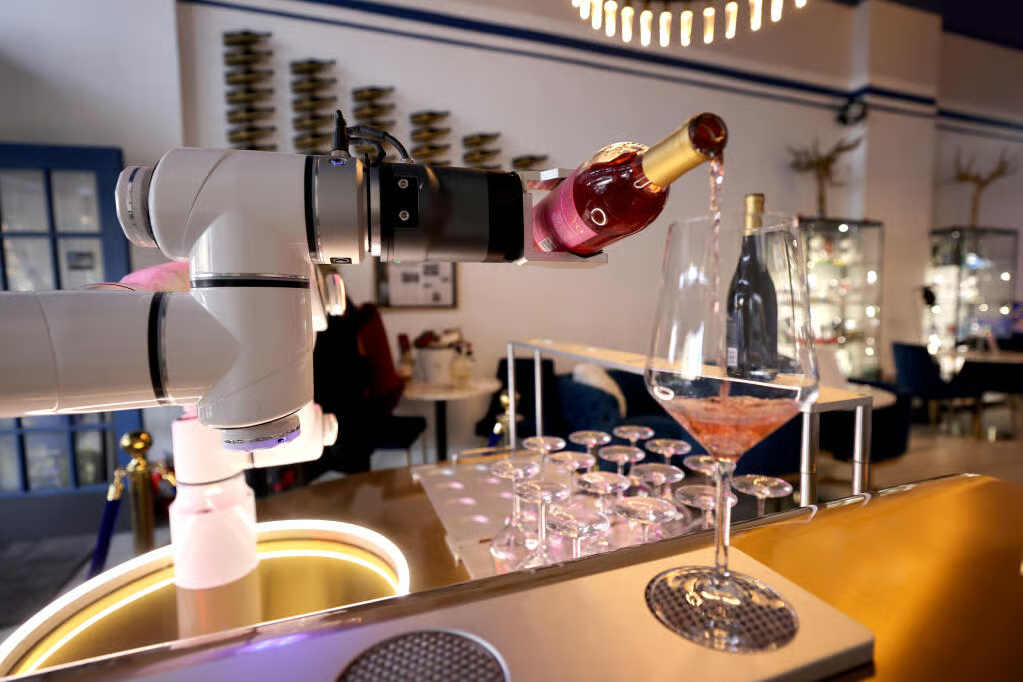
For all the attention paid to AI in production, the most provocative applications may turn out to be on the consumer side. Companies like Tastry are already using AI to map the relationship between a person’s flavor preferences and the chemical composition of specific wines, offering recommendations based on individual taste profiles rather than broad varietal categories. Some tasting rooms have gone further still, installing robotic arms like “Robinovino” to pour and present wine directly, a small but telling sign of how far automation has crept toward the glass itself.
The next step is more radical. Imagine a wine crafted specifically for your gut microbiome. As AI-driven health diagnostics improve, fermentation could be tailored to individual preferences and digestion patterns, producing wines designed not only for taste but for how they will interact with the body that drinks them. Yeast and bacteria selection could become a kind of personalized medicine. Wines with probiotic benefits, wines lower in histamines for sensitive drinkers, wines whose fermentation byproducts are tuned to specific dietary needs.
The implications are not only commercial. If AI can analyze how different microbial strains interact with human digestion, it could help develop functional wines whose health benefits rival those of kombucha or kefir. Fermentation has always been folk medicine. AI may help us understand exactly why.
What is harder to teach an algorithm is reverence. A winemaker stands in front of a fermentation tank and the smell tells her something the data has not yet caught. A grandmother stirs her amphora and the surface of the must reminds her of her grandmother’s. These are not inefficiencies. They are the parts of winemaking that connect it to history, to family, to place. AI may eventually learn to measure them. It will not learn to feel them.
The most interesting wineries of the next decade will likely be the ones that figure out how to hold both. Algorithms watching the fermentation. Humans watching what the algorithms cannot see.
In response to climate change, AI could play a pivotal role in shaping the future of winemaking, particularly in developing fermentation strategies for extreme conditions. Rather than focusing only on temperature regulation, it could be instrumental in designing heat-resistant or drought-tolerant yeast strains, ensuring consistent wine quality despite increasingly unpredictable weather. Whole vintages saved by yeasts that are themselves products of careful machine learning.
Looking beyond Earth, AI could be key to advancing winemaking in space. NASA and the European Space Agency have already conducted experiments with viticulture in microgravity, sending bottles of Bordeaux to the International Space Station to study how their chemistry changes in zero G. AI may help optimize fermentation in these environments, where every variable behaves differently. The first Martian vintage will almost certainly be made not by a winemaker alone, but by a winemaker working with an algorithm. Both watching the must.
Beats in the Barrel
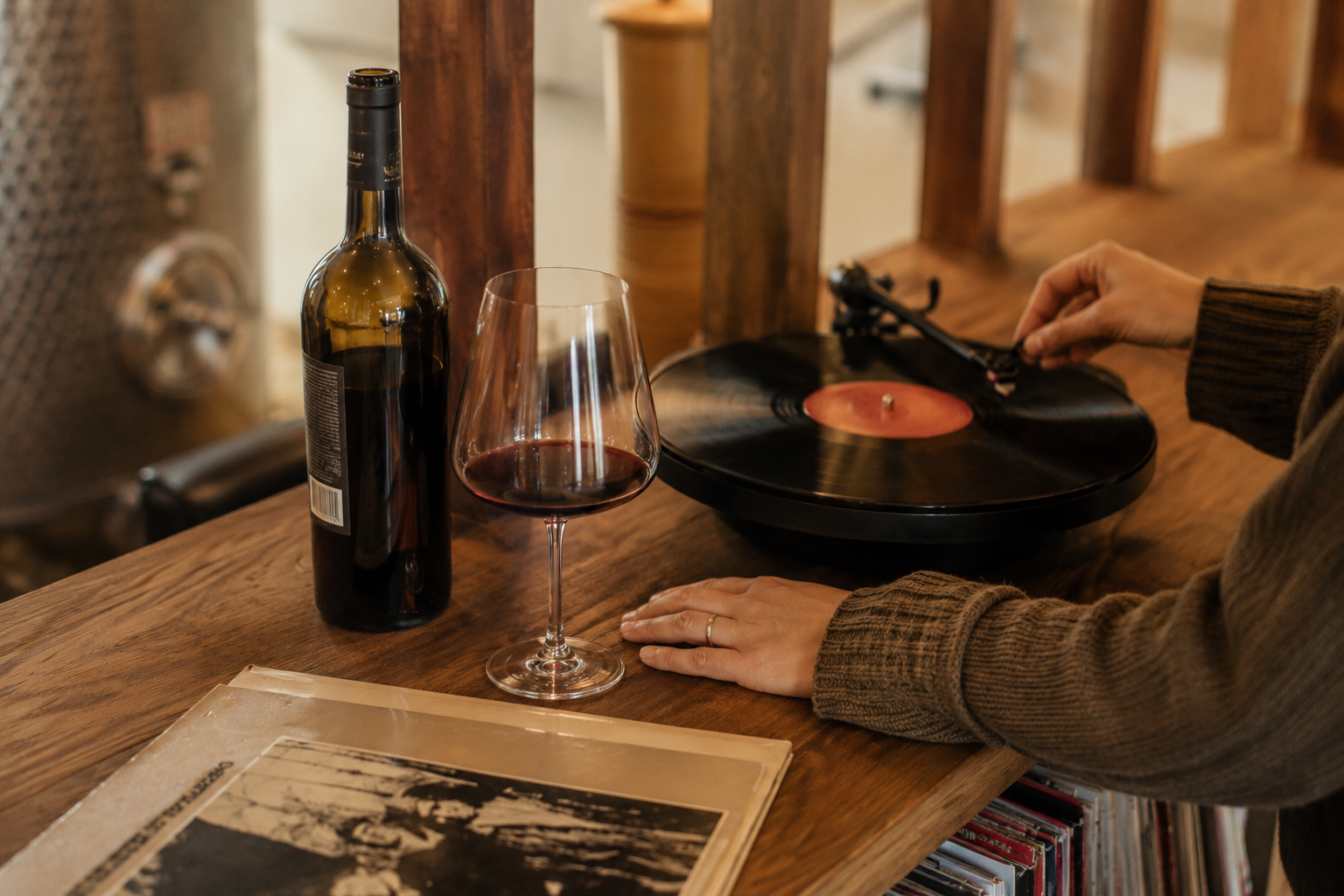
Across kitchens, labs, vineyards, and bakeries, a curious question has been echoing through stainless steel vats and oak barrels: Can sound change fermentation?
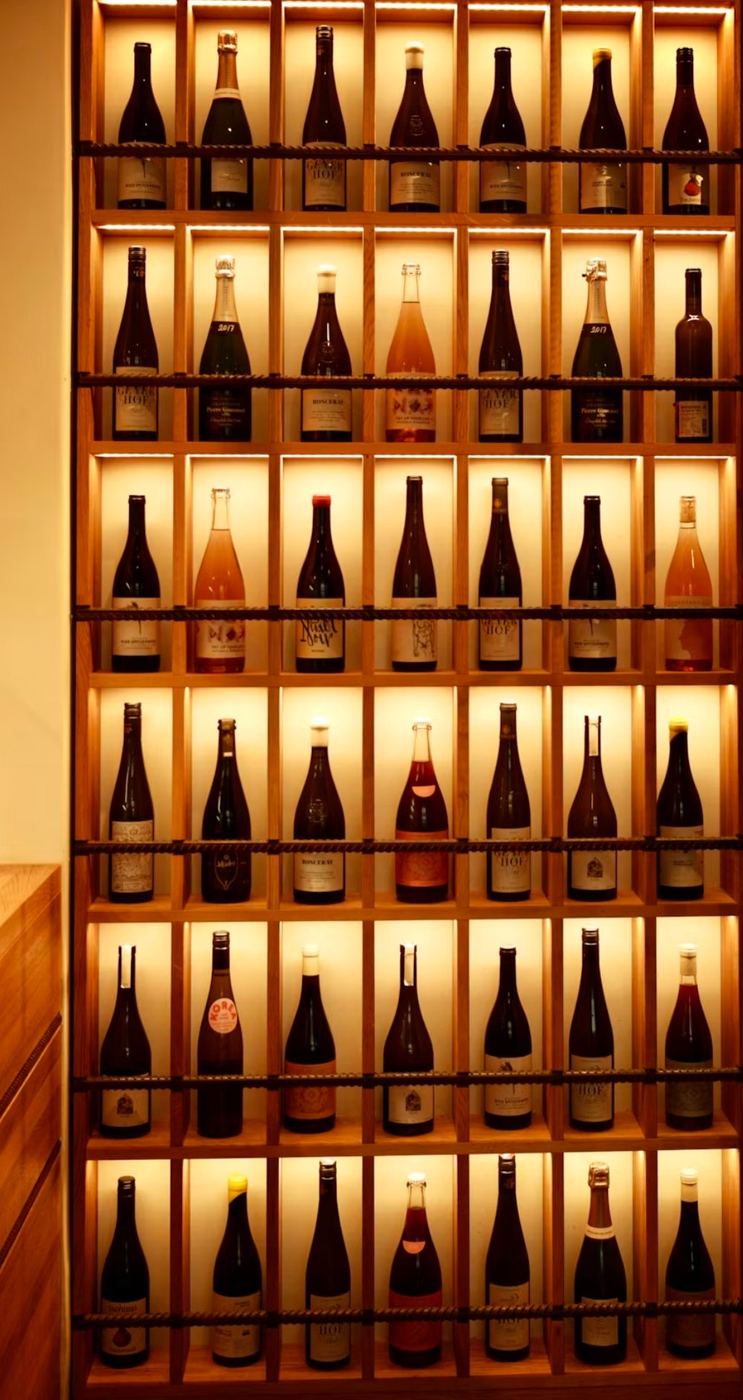
The Shape of Fermentation
Beyond aesthetics and tradition, the shape of a wine bottle subtly influences microbial behavior, aging dynamics, and chemical interactions. More than design — this is fermentation science in glass.
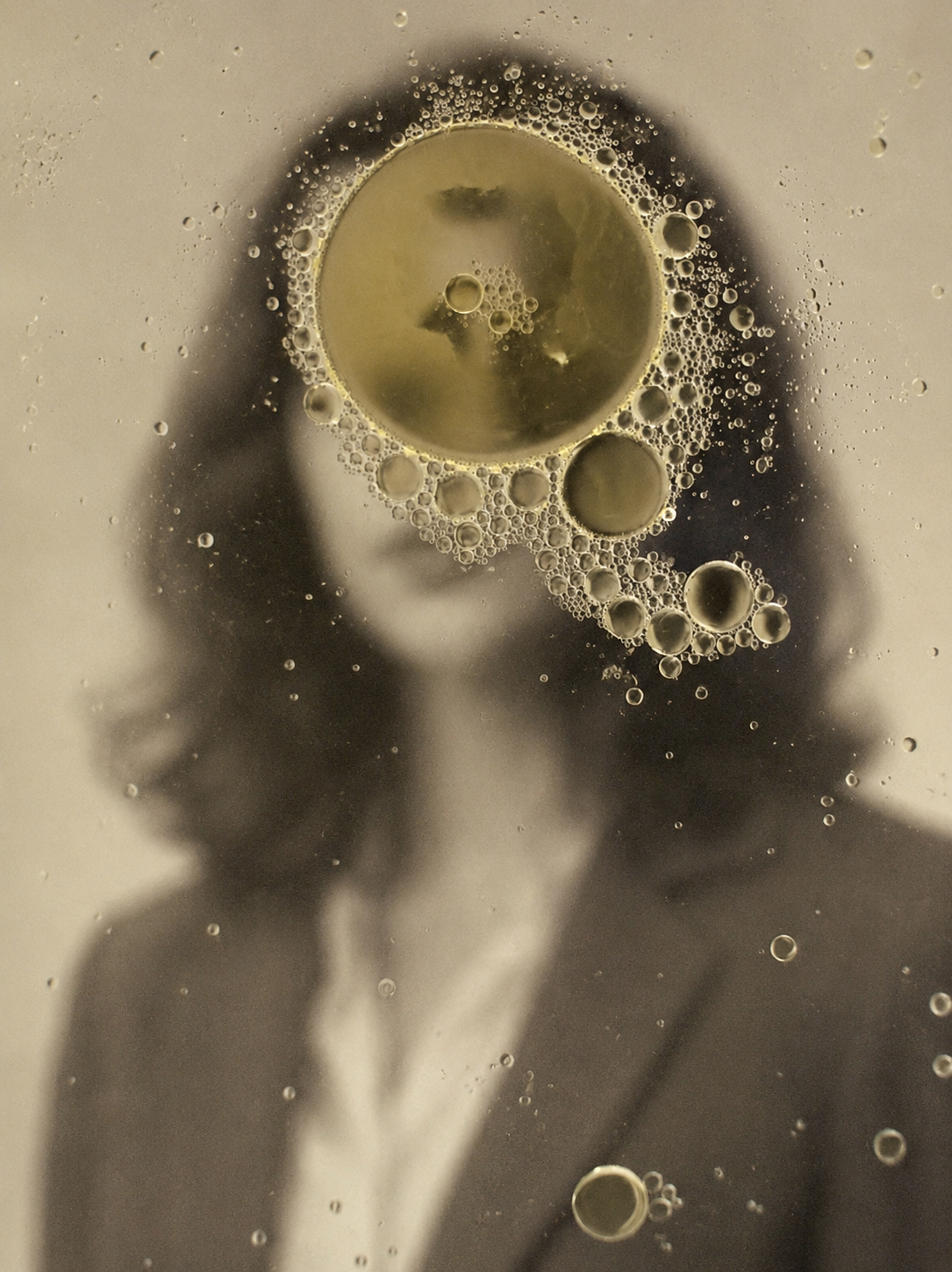
Gut Feelings
Over ninety percent of the body's serotonin is made in the gut, not the brain. A growing science of the gut-brain axis suggests fermented foods and the microbes inside them may be quietly shaping mood, memory, and mental health.
© 2026 The Fermentalist.
For questions, feedback, or correspondence: hello@thefermentalist.co