Microbial Detectives
Uncovering the hidden microbial clues that could revolutionize forensic science
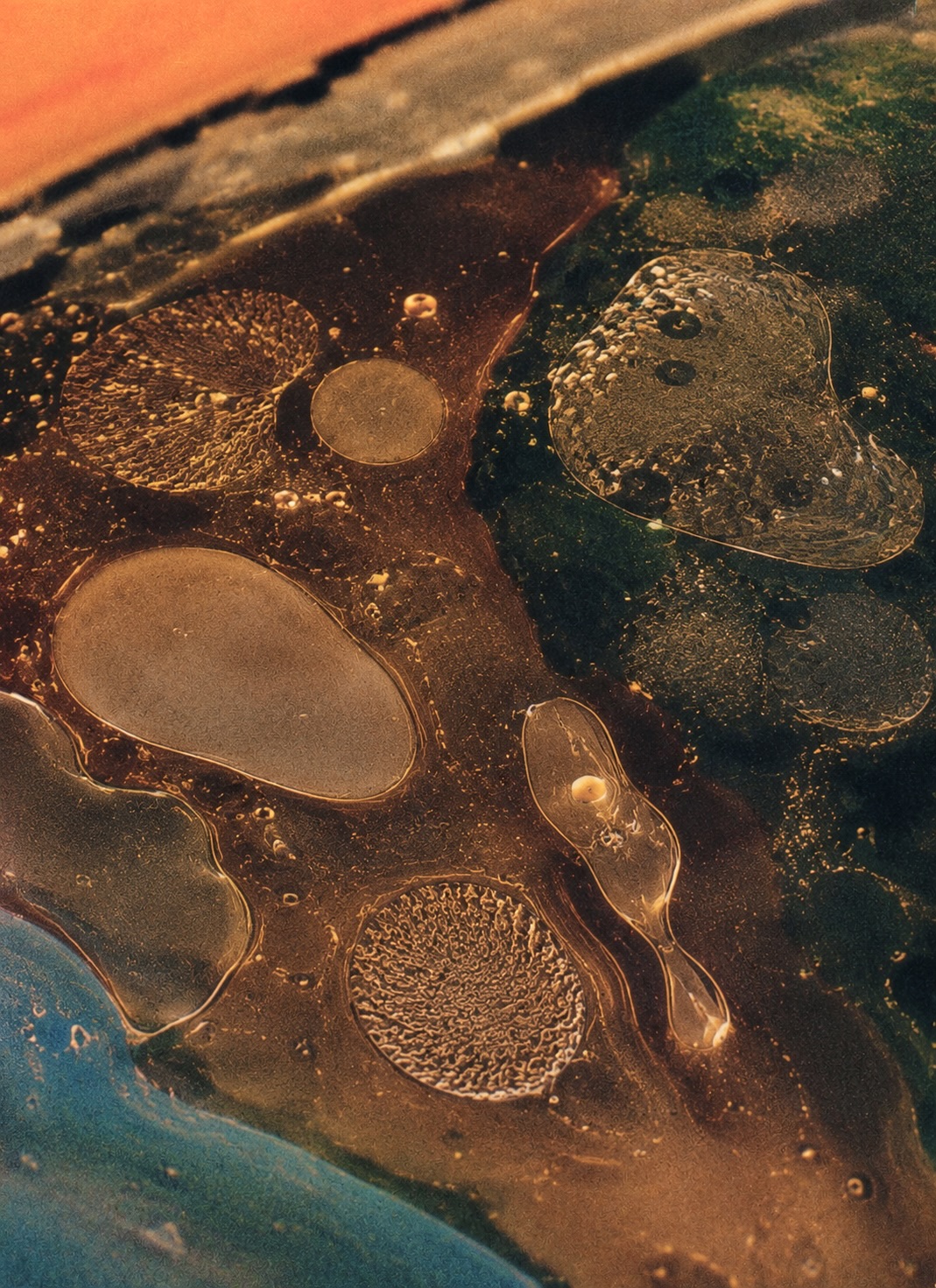
Uncovering the hidden microbial clues that could revolutionize forensic science
In the silent aftermath of a crime scene, nature often whispers clues, if only we know how to listen. While DNA analysis and chemical tests dominate forensic investigations, an unexpected class of bioindicators is rising to prominence. Mushrooms, microorganisms, and the slow biochemistry of fermentation are quietly transforming how investigators read a body, a soil sample, or the air around a sealed room. Could these living organisms hold the key to solving crimes in more sustainable and non-invasive ways?
To use these tools is to accept a different idea of evidence. Not the polished, mechanical evidence of a fingerprint or a strand of hair, but evidence that breathes, ferments, decays. Evidence that participates in what happened rather than simply recording it.
Bioindicators are organisms that respond to environmental changes. They have long been used to gauge pollution levels and ecosystem health. Microorganisms like bacteria and fungi thrive in changing environments, making them natural markers of decomposition, toxin presence, or time of death. In forensic studies, their role is increasingly being recognized not just as passive observers but as active storytellers of what transpired.
What makes them so useful is also what makes them difficult to study. These are living, opportunistic communities. Their composition shifts hour by hour, responding to temperature, moisture, soil chemistry, and the specific biology of whoever they have begun to colonize. To read them is to read a process, not a snapshot.
Mushrooms and fungi are some of the earliest colonizers of decomposing matter, playing a pivotal role in nature’s recycling system. Certain fungal species, like Cladosporium and Penicillium, consistently appear at specific stages of body decomposition, forming what researchers call a mycological clock. The timing of their arrival, often days or weeks after death, could provide precise estimates for post-mortem intervals. This emerging field, known as mycoforensics, offers a new dimension to death investigation.
A particularly compelling case is the use of entomopathogenic fungi, those that prey on insects. When forensic entomologists study insect larvae to estimate time of death, they often overlook the fungi infecting those same insects. These fungi, like Beauveria bassiana, leave behind spores that could independently verify insect activity timelines, a powerful corroboration tool for forensic evidence.
Every human carries a unique constellation of bacteria, collectively known as the microbiome. After death, these microbial passengers continue their work, slowly dismantling the body in predictable succession patterns. Researchers have given this post-mortem ecosystem its own name. They call it the necrobiome.
The term was formalized by Jessica Metcalf and her colleagues at Colorado State University, whose research has shown that the microbial communities present on and around a body follow a strikingly consistent timeline. Across different climates, soils, and seasons, the same families of bacteria appear and recede in roughly the same order. This consistency is what makes the necrobiome forensically useful. It functions like a microbial clock, ticking forward through stages that researchers can now read with increasing precision.
Recent studies suggest that the presence of certain bacteria, like Pseudomonas or Bacillus, correlates with specific post-mortem stages. By mapping out these microbial successions across different environments, forensic microbiologists can reconstruct the time of death with astonishing accuracy. Some research groups now report time-of-death estimates accurate to within a few days, even weeks after death, where traditional methods grow imprecise.
Microbial analysis isn’t only about timelines. Soil microbiomes at burial sites or concealed bodies often shift in composition, offering clues to the presence of hidden remains. This non-invasive technique could become a game-changer for clandestine grave detection in eco-sensitive areas, where excavation itself would disturb the ecosystem investigators are trying to read.
Under the right conditions, fermentation processes unfold in crime scenes too, often in sealed containers or buried bodies where oxygen is scarce. Anaerobic bacteria like Clostridium thrive in these environments. Clostridium perfringens, in particular, has been studied for its role in early post-mortem decomposition, producing volatile organic compounds such as butyric acid, putrescine, cadaverine, and trace ethanol. These microbial byproducts form a chemical fingerprint, one that reveals how long a body has been hidden or whether it was transported post-mortem.
A groundbreaking 2021 study demonstrated how analyzing these fermented volatiles could offer non-invasive chemical clues without damaging evidence. This eco-friendly approach contrasts sharply with traditional forensic methods, which often require destructive sampling or toxic reagents. Much of the underlying research comes from the Anthropology Research Facility at the University of Tennessee, popularly known as the Body Farm. For decades, researchers there have catalogued the precise chemical and microbial timelines of decomposition under controlled outdoor conditions, building the reference library against which field samples are now compared.
The volatile signatures these fermentations produce have practical applications beyond the laboratory. Cadaver dogs are trained on specific combinations of decomposition volatiles, learning to detect remains long before they would be visible or accessible to human investigators. Increasingly, portable electronic sensors are being developed to replicate this ability. An electronic nose, tuned to the same chemical signatures, could one day scan a site for traces of microbial activity that point toward concealed remains.
Fermentation’s forensic potential doesn’t stop at decomposition. In drug-related deaths, illicit homebrewed alcohols or fermented substances could be traced back to their microbial origins, offering new ways to track the provenance of evidence found at a scene.
What ties these techniques together is a shift in what we consider evidence. A bloodstain or a fingerprint is a frozen moment. A microbial community is a process, still unfolding when investigators arrive, still telling its story for days afterward. To use this kind of evidence is to treat decomposition not as the end of biology but as a continuation of it, slower, stranger, and still legible if you know how to read it.
This is the same attention fermentation asks of us in every other context. The patience to watch something change. The willingness to trust that what looks like ruin is often just transformation under another name.
What if entire crime scenes could be reconstructed through microbial and fermentation signatures alone? Portable volatile-compound sensors or microbial sequencing kits could allow forensic teams to detect hidden graves or estimate time of death on-site, without disturbing the evidence around them.
In the coming decades, forensic laboratories may routinely turn to bioindicators not just for timelines, but for reconstructing the entire ecosystem of a crime scene. As microbial forensics evolves, it could shift the field away from invasive chemical techniques toward greener, non-destructive methods. A way of asking the dead what happened, and trusting their microbes to answer.
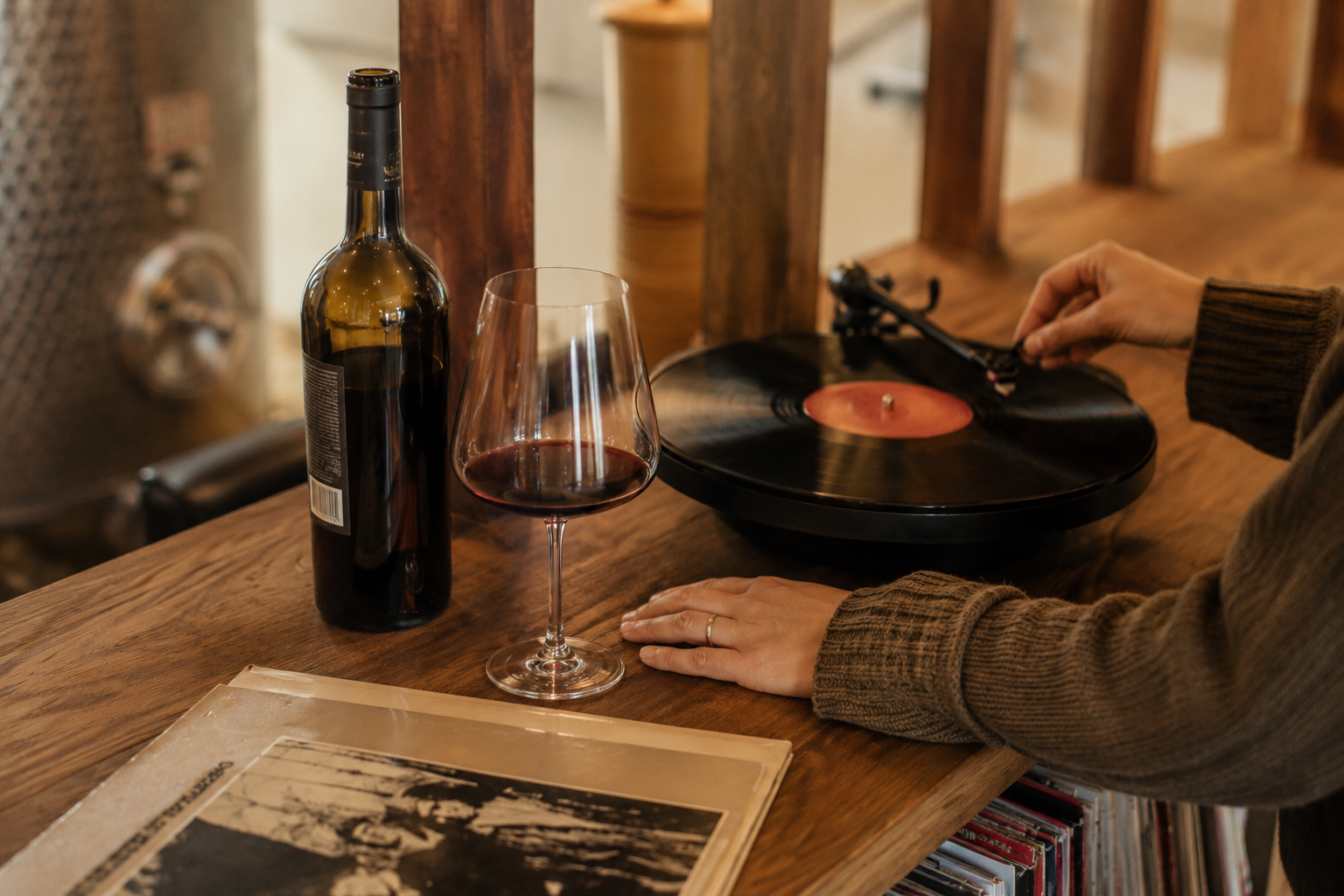
Beats in the Barrel
Across kitchens, labs, vineyards, and bakeries, a curious question has been echoing through stainless steel vats and oak barrels: Can sound change fermentation?

The Shape of Fermentation
Beyond aesthetics and tradition, the shape of a wine bottle subtly influences microbial behavior, aging dynamics, and chemical interactions. More than design — this is fermentation science in glass.
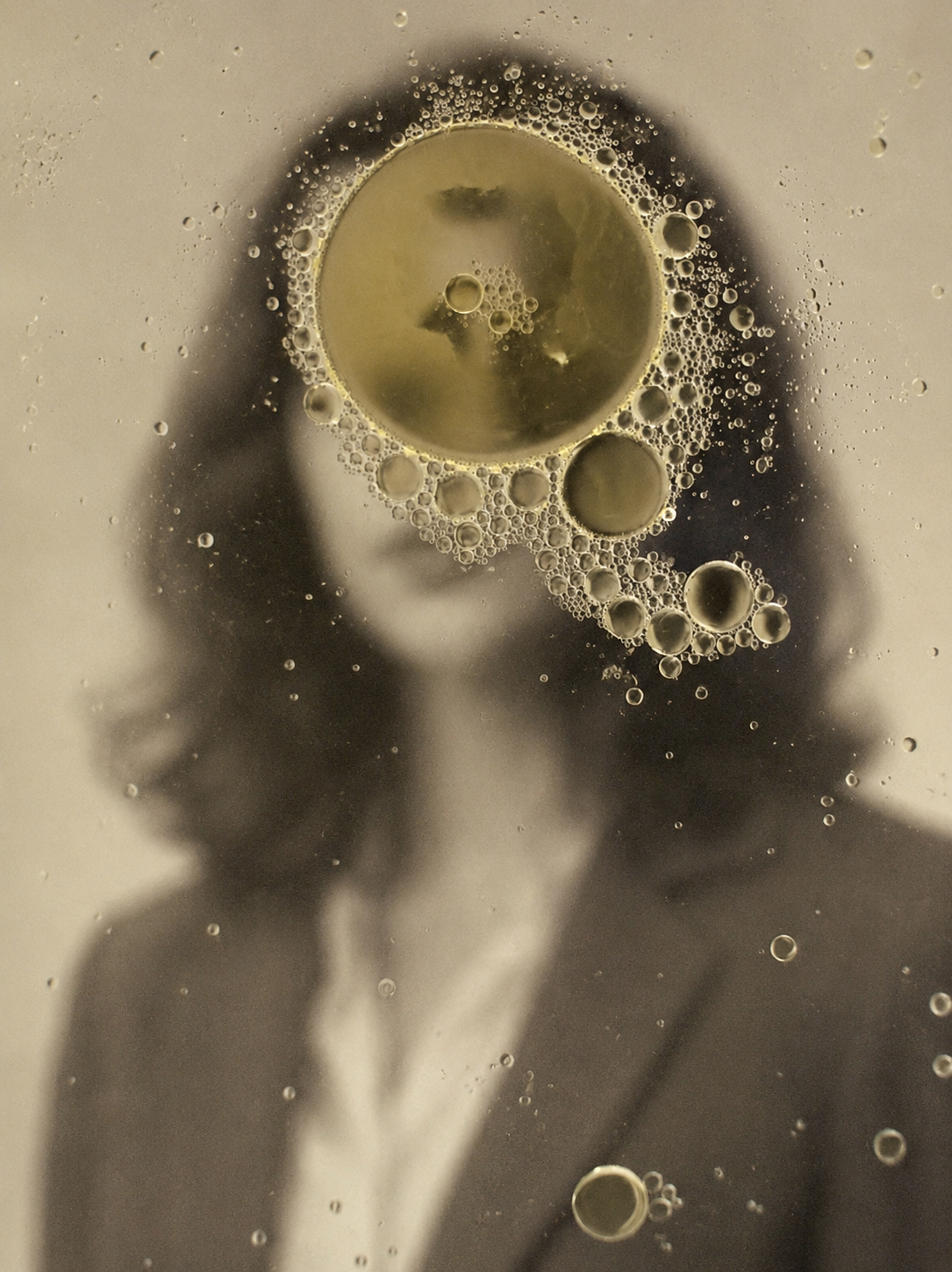
Gut Feelings
Over ninety percent of the body's serotonin is made in the gut, not the brain. A growing science of the gut-brain axis suggests fermented foods and the microbes inside them may be quietly shaping mood, memory, and mental health.
© 2026 The Fermentalist.
For questions, feedback, or correspondence: hello@thefermentalist.co