Gut Feelings
How Microbes Could Rewire Mental Health
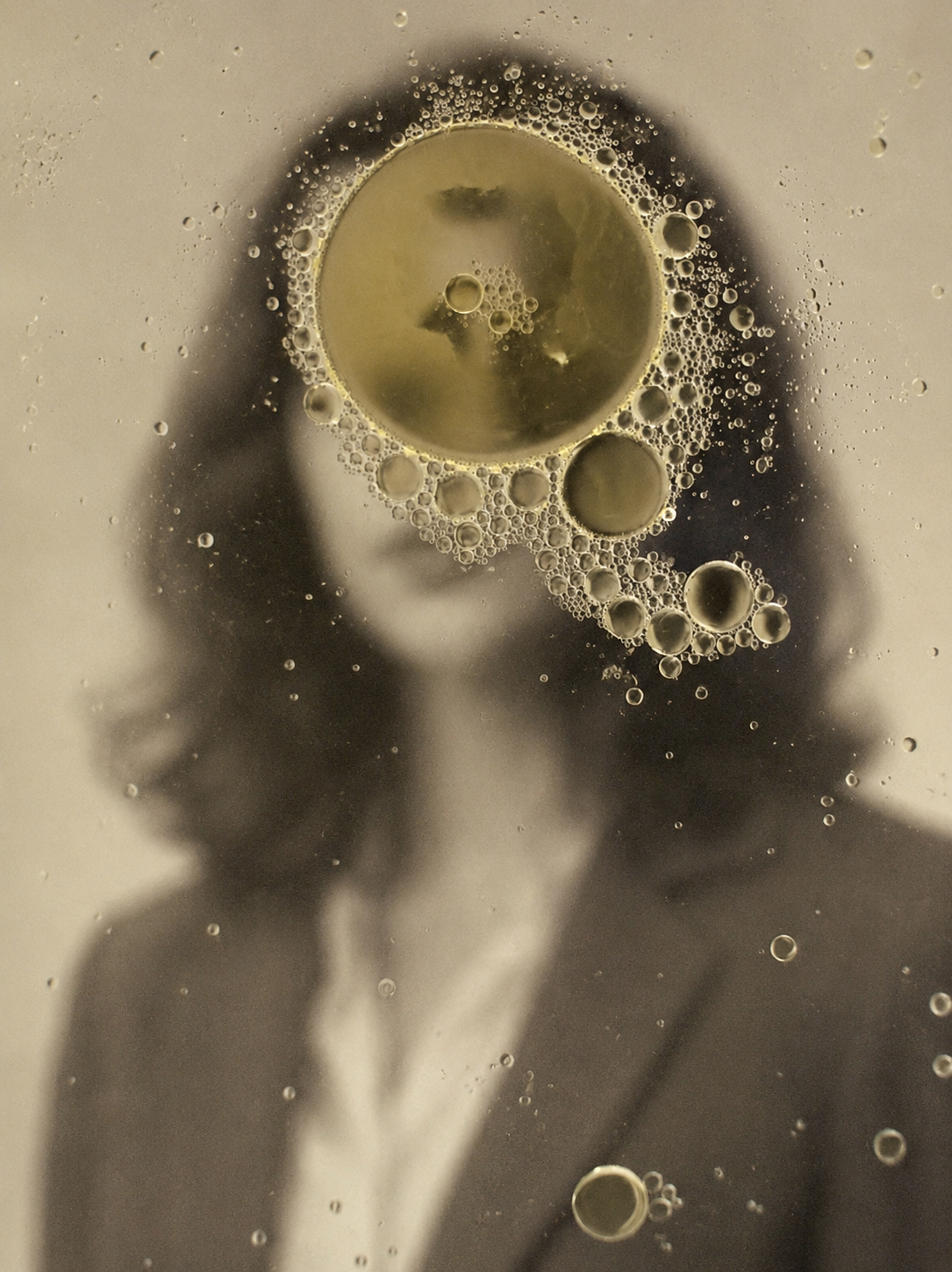
How Microbes Could Rewire Mental Health
What if the next breakthrough in mental health did not come from a pill, but a pickle?
Long treated as the silent custodians of digestion, gut microbes are now whispering a far more intriguing truth. They may hold some of the keys to our emotional well-being. In a rapidly growing field of science, the gut-brain axis, a complex communication highway between the digestive tract and the brain, is revealing how fermented foods and microbes might shape not only our bodies but also our minds.
The human gut is home to trillions of microbes, bacteria, yeasts, and archaea, that collectively form the gut microbiome. These microscopic co-inhabitants help digest food, regulate the immune system, and produce neurotransmitters like serotonin, dopamine, and GABA, the very chemicals that govern mood, anxiety, and cognition.
Here is the plot twist. Over ninety percent of the body’s serotonin is produced in the gut rather than in the brain.
The communication between these two systems runs along several real anatomical and chemical routes. The vagus nerve, a long cable of fibers connecting the gut directly to the brainstem, carries signals in both directions, and gut bacteria can influence its activity. Microbes also produce short-chain fatty acids, byproducts of fermenting dietary fiber, which appear to reduce inflammation and may help regulate mood through effects on the immune system. And the gut lining itself acts as a kind of border control, deciding what gets to circulate through the bloodstream and what does not. When that border becomes too permeable, a condition sometimes called leaky gut, inflammatory molecules can reach the brain more easily.
This realization has upended conventional ideas about mental health. Instead of focusing solely on neurological imbalances, scientists are beginning to explore how microbial imbalances, known as dysbiosis, could contribute to conditions ranging from depression to neurodegenerative disease. Researchers studying Parkinson’s disease, for instance, have proposed that the disease’s hallmark misfolded protein, alpha-synuclein, may first accumulate in the gut and travel to the brain along the vagus nerve, years before the more familiar tremors appear. The implication is unsettling and clarifying at once. The brain may not always be where a mental or neurological illness begins.
From sauerkraut to miso, fermented foods are rich in live bacteria that support gut health. These foods do not just diversify the gut ecosystem, they may also modulate inflammation, reduce stress hormone levels, and help buffer against the mental impacts of chronic stress.
Several smaller clinical studies have found that people who consume fermented foods regularly report lower anxiety and more stable emotional responses than those who do not, though researchers are careful to note that correlation in this field is still ahead of firm causation. More striking are the animal studies. In a number of experiments, mice given fecal transplants from anxious or depressed humans began to exhibit similar behavioral patterns themselves, while mice given transplants from calmer donors did not. The implication is strange to sit with. Our emotional states may be, in some small part, transmissible through microbes, the way a mood might pass between two people in a room.
Psychobiotics are a new class of probiotic strains being developed specifically to influence mental health. Species like Lactobacillus rhamnosus and Bifidobacterium longum have been shown in early trials to reduce markers of stress and improve sleep and mood. Researchers sometimes describe these strains as live therapeutics, organisms doing pharmacological work that a pill might otherwise be asked to do.
These supplements are still emerging, and the science is younger than the enthusiasm around it. But fermented foods offer a more modest, lower-tech version of the same idea, one already supported by thousands of years of culinary tradition, long before anyone had a word for the gut-brain axis.
As modern diets drift toward ultra-processed, low-fiber foods, gut microbial diversity is declining, and mental health disorders are climbing. The two trends are not proof of each other, but they sit close enough together to be worth asking about. Western lifestyles, shaped by antibiotics, chronic stress, sedentary routines, and sugar-heavy meals, create conditions in which inflammatory microbial communities tend to thrive. Some researchers suspect this kind of microbial shift could impair communication along the gut-brain axis, contributing to a slow accumulation of neurological and emotional strain.
Could rewilding our microbiomes through fermentation be part of the answer? It is a question, not yet a conclusion, but it is the kind of question fermentation keeps returning to. The smallest living things, doing their slow and largely invisible work, turning out to matter more than we assumed.
There is something almost humbling in this research. For centuries, cultures around the world fermented their food for reasons that had nothing to do with neuroscience, preservation, flavor, ritual, necessity. The idea that this same practice might have been quietly tending to something as intimate as mood the whole time was not part of the original intention. It is a reminder that traditional knowledge often arrives at the right answer before science has a name for the question. The gut, it turns out, may have been listening to us long before we learned to listen back to it.
Imagine a future where a clinician might one day discuss diet alongside medication with the same seriousness, where a psychobiotic supplement sits next to an antidepressant as a legitimate option rather than a curiosity. It sounds far-fetched, and in many ways still is. But the early signs are accumulating. New startups are developing targeted psychobiotic therapies. Research institutions are launching dedicated gut-brain trials. And fermentation, once filed away as a folk art or a kitchen hobby, is being taken seriously again, this time as a tool for understanding the oldest and strangest organ we have never quite known how to name. Not the brain alone, but the long, quiet conversation between the brain and everything it is in constant contact with.

Feeding the World with Gas
Scientists are fermenting carbon dioxide into protein and vitamins, turning the air itself into food, and offering a radically different answer to how we feed a warming world.
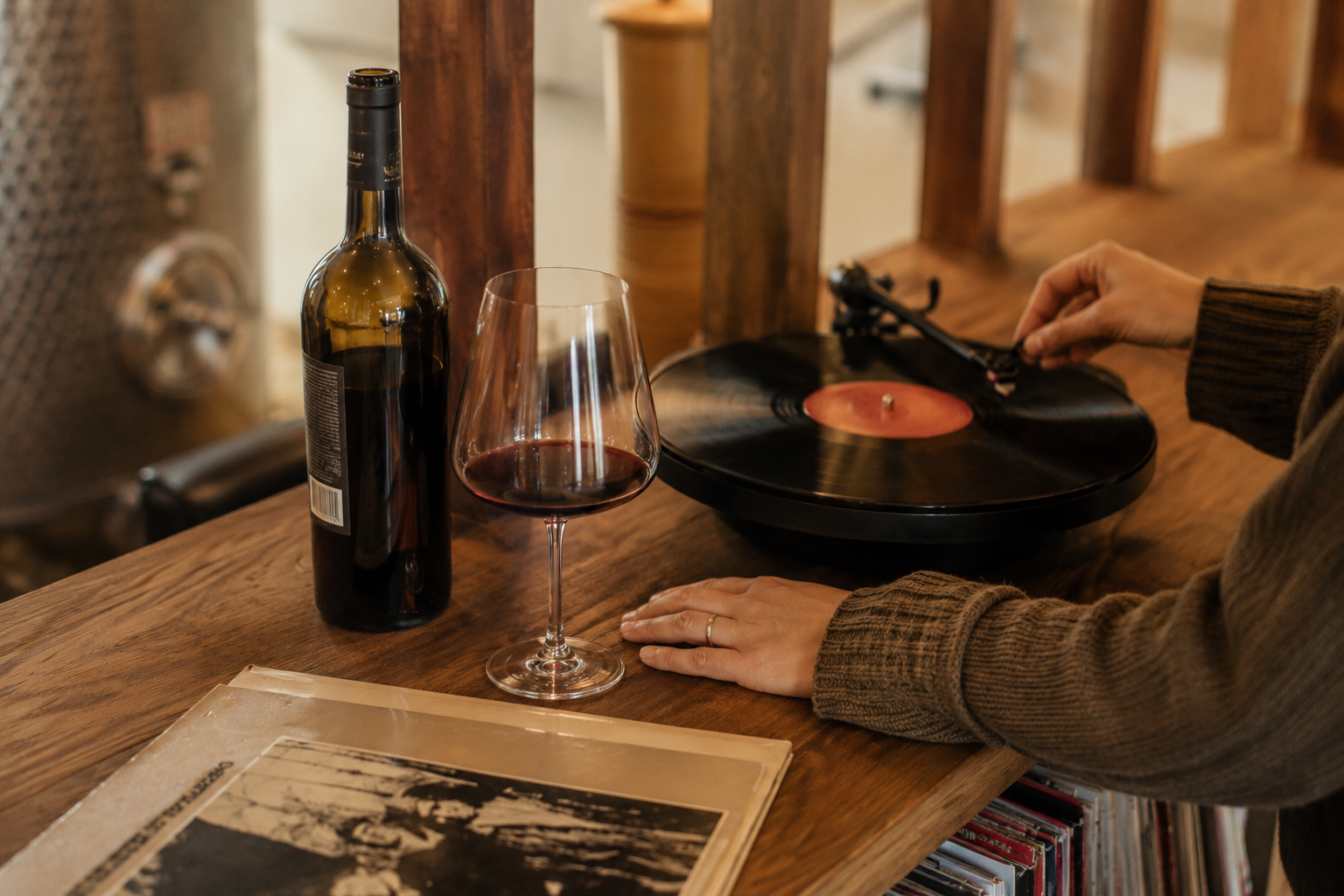
Beats in the Barrel
Across kitchens, labs, vineyards, and bakeries, a curious question has been echoing through stainless steel vats and oak barrels: Can sound change fermentation?

The Shape of Fermentation
Beyond aesthetics and tradition, the shape of a wine bottle subtly influences microbial behavior, aging dynamics, and chemical interactions. More than design — this is fermentation science in glass.
© 2026 The Fermentalist.
For questions, feedback, or correspondence: hello@thefermentalist.co