Jim Lapsley on Writing Napa's History From Inside It
Wine historian, winemaker, and author of Bottled Poetry
Wine historian, winemaker, and author of Bottled Poetry
The wine was high in acid and low in alcohol, made from Barbera picked too early, fermented outdoors under a shaded grape arbor, with no hydrometer, no formal training, and no real plan beyond an experienced friend's willingness to teach. It came out under ten percent alcohol, sharp with acid. Dr. James (Jim) Lapsley, his wife, and their friends drank it anyway, with real pleasure, because it was theirs, and because, as he puts it now, "you learn to like what you have."
That first vintage, made in 1972 in a rented house in Woodland, did not turn Jim into a winemaker so much as it turned him into someone who could never quite look away from wine again. He would go on to run a small commercial winery, help build UC Davis's continuing education program in viticulture and enology, and eventually write Bottled Poetry, the definitive history of how Napa Valley became what it is today post prohibition. Along the way, he became something rarer than a wine historian. He became someone who had learned the subject from inside a fermenter, cap punched down by hand, before he ever learned it from inside an archive.
For our inaugural In Conversation, Jim reflects on the vintage that hooked him, the accident of becoming a wine historian, and the chapter of his own book he is most proud of.
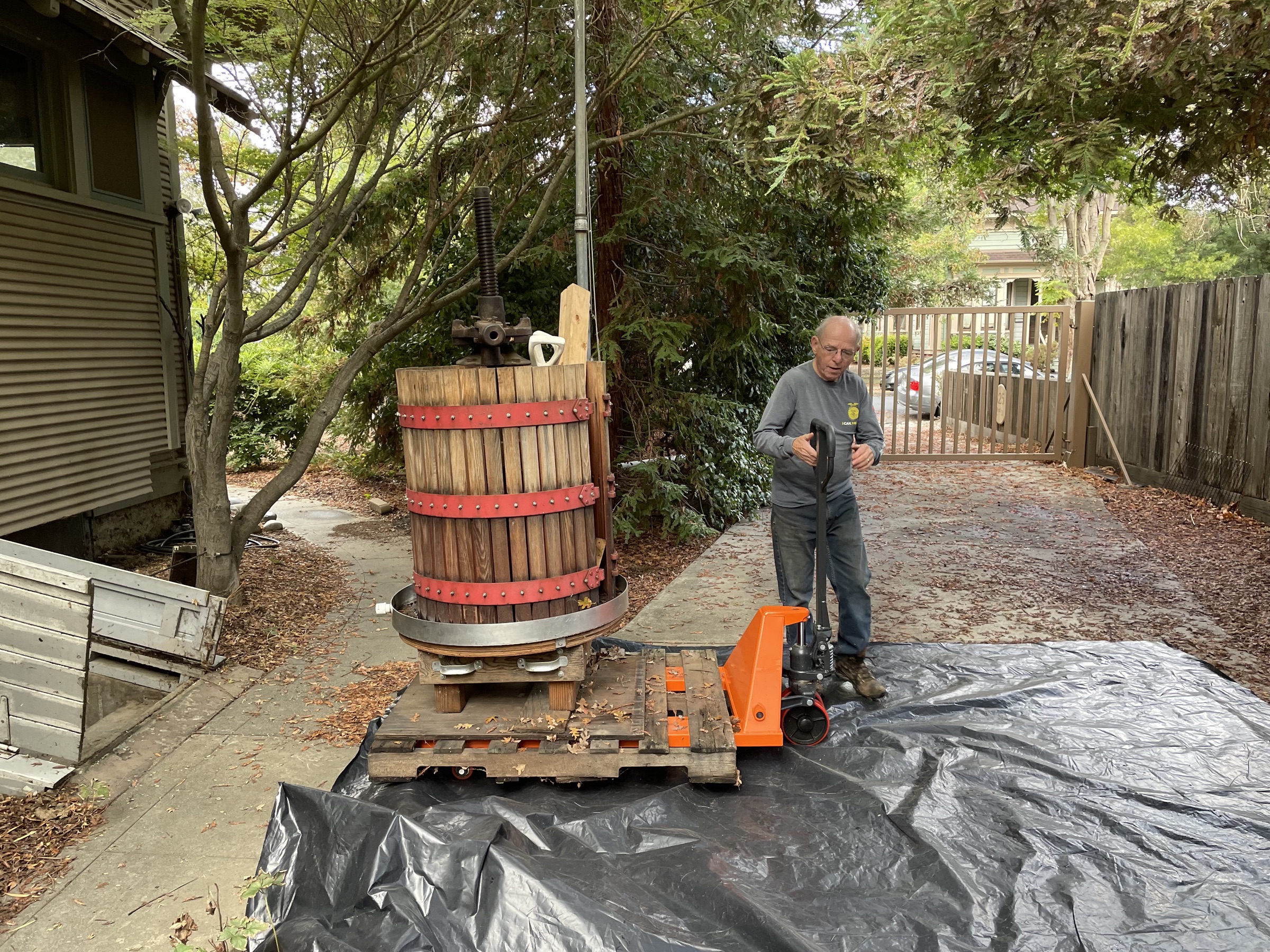
I think it was watching the fermentation itself. We punched the cap down by hand, three times a day, every day, and you could see the color deepen, the whole mixture change day to day. I understood, in a basic way, that sugar was becoming alcohol. I didn't understand the enzymatic pathway behind it. But watching it happen in front of me, that transformation, was captivating. I was hooked.
We also learned something else, which is that you can come to love a wine that by most objective measures isn't very good. That Barbera was underripe, far too acidic. We didn't even own a hydrometer to check the sugar before we picked. But we drank those two barrels for two years, and I still think about them fondly.
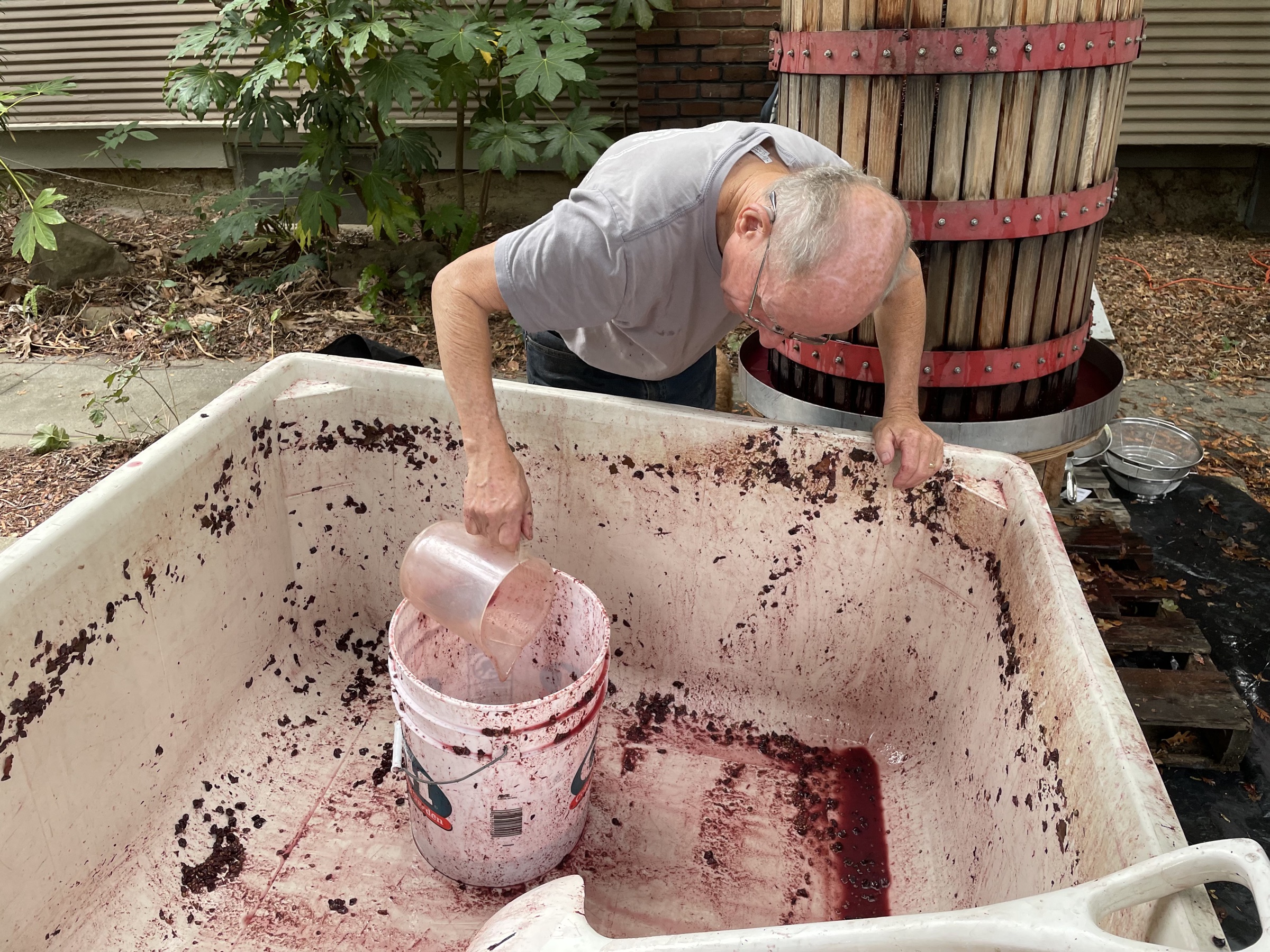
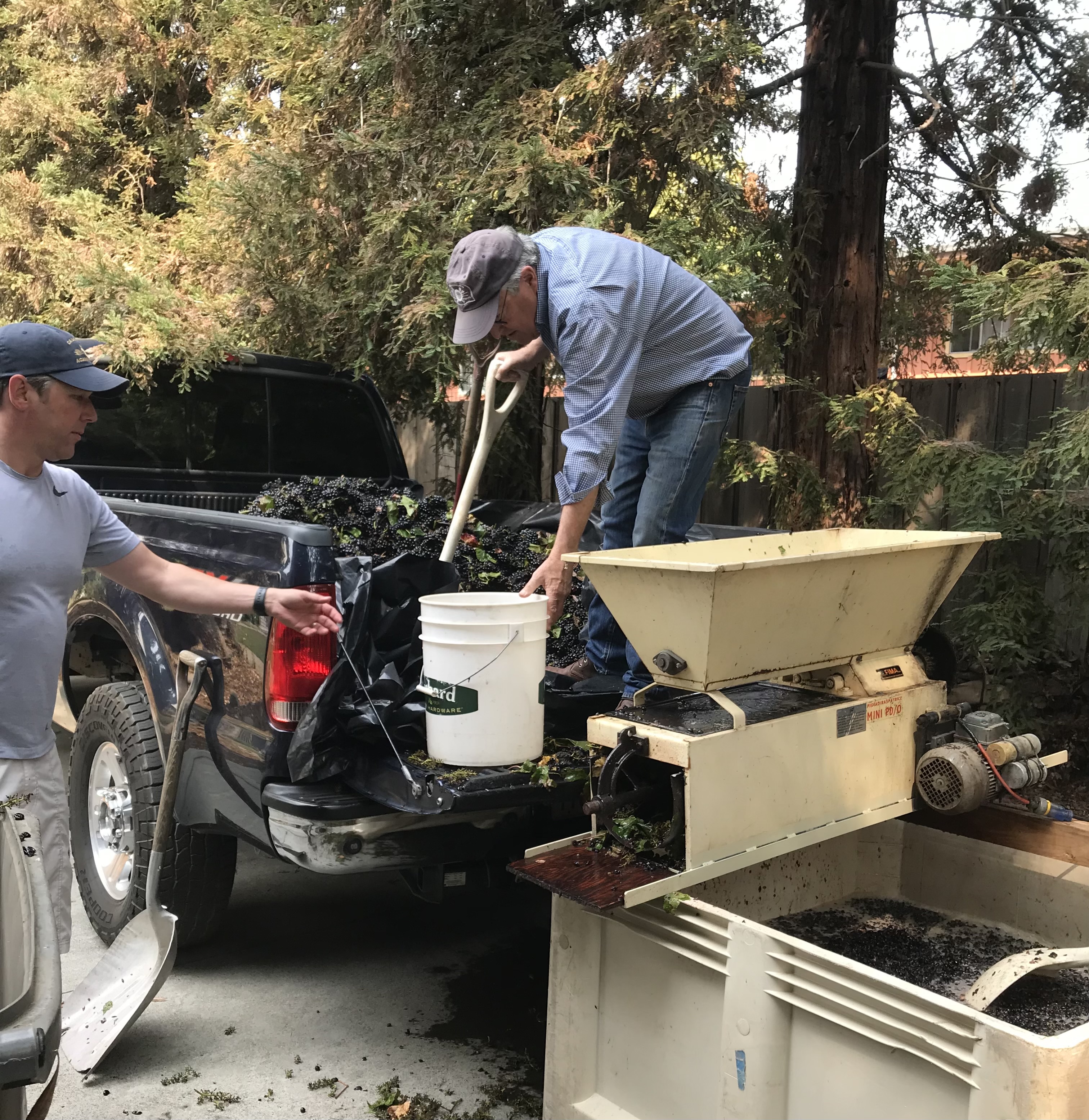
We'd learned by then that we didn't need nearly as much fruit, just what a pickup truck could hold. That Zinfandel, from Amador County, turned out extraordinary. And it's a strange thing to make your best wine so early in a fifty plus year love-affair with winemaking. You spend the rest of your life trying to recreate something you didn't fully understand the first time. But we have come close.
Years later, at a wine judging event, Michael Mondavi poured a 1974 Robert Mondavi Cabernet Reserve for the table. He mentioned, almost in passing, that 1974 had been a remarkable vintage across California, not just in Napa. I thought immediately of my own Zinfandel. Neither of us really knew what had made that year special. My guess now is a long, cool ripening season. But it was strange and wonderful to hear Michael confirm, decades later, that the vintage I'd stumbled into as a home winemaker had been something real.
Almost by accident. I finished my coursework in history in the mid-1970s, when academic jobs in the field were scarce, and the ones available would have taken me away from California, which I didn't want. I ended up with a position at UC Davis Extension, creating continuing education courses for the wine industry, which was just beginning its boom. I wasn't an expert in viticulture or enology. I was a home winemaker who needed to learn quickly, because the courses had to be good enough that people would pay to attend them, and that revenue funded my own position.
So I audited the undergraduate classes. I asked faculty to lecture on subjects like phenolic compounds or oak aging, and I moderated, which made me look like someone who already knew the material. Really, I was learning right alongside everyone else. It took about a decade before I thought seriously about writing a book. That came later, once I realized I needed to finish the doctorate I'd set aside, and that I didn't want to return to my original dissertation topic.
Almost certainly, yes. About a third of the book is about the development of wine science and technology, much of it originating here at Davis or Berkeley. Cold fermentation for white wines. Malolactic fermentation, which we understood was happening before we fully understood why, or how to control it reliably. Tartrate stabilization. I don't think a historian without that hands-on experience could have written those sections the same way, because I'd taken the classes and made the mistakes myself.
I'll give you an example. I once tested a rosé for protein stability using a method I'd learned in a class taught by an Australian professor, who told me to hold the wine at 80 degrees for a couple of hours. I did the test in Fahrenheit. He meant Celsius. My test showed the wine was stable. It wasn't, and we bottled a hundred cases that ended up slightly hazy. It's a small story, but it's the kind of thing you only really understand to pay attention to once you've lived it.
The two chapters on the Second World War, without question. What happened to the American wine industry during the war has never been well documented, and I don't think anyone had really pieced it together before. Raisins were requisitioned for military rations, which cut the grape supply for wine by roughly a third. Distillers, who were producing industrial alcohol for the government, started buying up California wineries just to have something to distribute. And price controls were placed on finished alcohol, but the government never got around to controlling the price of raw grapes.
All of that together reshaped who owned Napa's wineries and what kind of wine was being made, almost by wartime accident rather than any industry plan. I wrote that chapter without any formal training in economics. It just made sense to me, watching how the pieces fit. A colleague of mine, an agricultural economist, read it years later and told me it was one of the reasons he wanted to work with me. That still means a great deal to me.
It's become almost entirely dependent on wine, both the product itself and the businesses built to serve it. I looked at a county agricultural report 15 years ago and found that ninety-nine percent of agricultural income in Napa came from grapes. My colleague Dan Sumner didn't believe the number, and I dared him to look it up. I was correct! Compare that to Sonoma, which is closer to seventy-five percent, because it has a more diversified agricultural base. To my mind, that's a healthier position to be in.
There's also been a real shift in what success means. Before World War II, most wineries sold wine in bulk to regional bottlers. Now you have a branded market built almost entirely around prestige, around scores and reputation, at the upper end. I suspect if you did an honest accounting, many of the smaller wineries chasing that market aren't actually profitable. Their real measure of success has become something closer to recognition than margin. And as an honorary economist, I have my doubts about that.
Honestly, I wouldn't. I think I'd become an economist instead. I came to that field relatively late, working with colleagues here at Davis, and I found the toolkit economists use to understand consumption and society genuinely fascinating. If I did go into wine, though, I'd go in understanding from the start that it's a luxury business, and I'd want to study how luxury products are sold and positioned, not just how they're made.
My advice to anyone starting out, in wine or otherwise, is to learn how to learn, and to stay adaptable. So much of what's mattered in my own career came from experience I couldn't have planned for. A basement, a friend with a suggestion, a graduate student with no hydrometer. You can't map that out in advance. You can only be ready for it when it happens.
© 2026 The Fermentalist.
For questions, feedback, or correspondence: hello@thefermentalist.co